Get A Quote Today!

It's Time To Renovate!

Our Blog

Recent Blog Post

Deck Installation Done Right: How to Avoid Warping, Rot, and Costly Repairs

A deck can quickly become your favorite part of your home. It gives you space to relax, host people, or just step outside without leaving your property.

But here’s what most homeowners don’t realize until it’s too late: your deck is only as good as how it was installed. You can choose high-end materials and still end up with warped boards, soft spots, or structural issues within a few years. Why? Because the installation process was rushed or done incorrectly.

If you’re planning a deck installation or even replacing an old one, understanding what goes into doing it right will save you thousands in repairs later.

Why Deck Installation Fails More Often Than You Think

A deck lives in one of the harshest environments around your home. It deals with constant exposure to moisture, temperature swings, and direct sunlight. Over time, even small mistakes during installation get amplified.

You might not notice issues right away. Everything can look fine for the first year or two. Then slowly:

  • Boards begin to cup or twist
  • Fasteners start popping out
  • Areas feel soft underfoot
  • Mold or discoloration appears

At that point, you’re no longer maintaining your deck; you’re fixing it. Most of these problems don’t come from wear and tear alone. They start with how the deck was built from the very beginning. 

What is the Correct Way to Install Decking?

There’s a clear difference between a deck that lasts 5 years and one that lasts 20. It comes down to the details most people never see.

1. Foundation and Footings

A strong deck begins with a stable foundation. Posts need to sit on properly poured footings, placed below the frost line so they don’t shift with seasonal changes. 

If this step is rushed or skipped, the deck may look level at first, but it won’t stay that way. Over time, even slight movement in the base can lead to uneven surfaces and stress on the entire structure.

2. Framing and Joist Spacing

Once the foundation is set, framing becomes the backbone of your deck. This is where joist spacing matters more than most homeowners expect. 

Too far apart, and the boards above will flex every time you walk on them. That movement leads to cracks, fastener failure, and premature wear. Proper spacing isn’t just about support, but also about longevity.

3. Material Selection

Not all decking materials perform the same in every setting. Pressure-treated wood is a common choice because it resists insects and decay. Composite decking, while more expensive upfront, handles moisture better and requires less maintenance over time.

What matters most is choosing materials that make sense for your climate and how you plan to use your deck. A material that works well in a dry climate may fail faster in a humid one.

4. Board Spacing and Drainage

Wood naturally expands and contracts. Composite materials do too, just differently. If boards are installed too tightly, they push against each other when they expand. That pressure leads to warping, cracking, or uneven surfaces.

On the other hand, proper spacing allows for:

  • Airflow beneath the boards
  • Water drainage
  • Natural movement without damage

It may not seem like much during installation, but spacing plays a major role in how your deck ages.

5. Fasteners and Flashing

Fasteners hold your deck together, but they also take a beating from the weather. Using the wrong type, especially ones that aren’t corrosion-resistant, leads to rust, staining, and structural weakening.

Flashing is just as critical, especially where the deck connects to your home. Without it, water can seep into areas you’ll never notice until serious damage has already occurred.

This is one of those steps that doesn’t affect how your deck looks, but it directly affects how long it lasts.

6. Sealing and Surface Protection

Even after installation, your deck still needs protection. Sealing or staining wood helps reduce moisture absorption and UV damage. Without it, the surface breaks down faster, even if everything underneath was done correctly.

Where Most Deck Installations Go Wrong

It’s not always obvious when something is done incorrectly. Many mistakes look “good enough” at first. That’s what makes them expensive later.

One common issue is skipping permits or ignoring local building codes. This doesn’t just create legal problems; it often means key safety steps were missed during construction.

Another major problem is poor drainage planning. Water is the number one cause of deck damage. If it has nowhere to go, it will sit, seep, and slowly break down materials.

Rushing the job is another factor. When timelines are tight, details get overlooked. Boards aren’t spaced correctly. Fasteners are uneven. Framing isn’t perfectly aligned.

How to Prevent Warping and Rot

Warping and rot don’t happen overnight. They develop over time due to repeated exposure and poor conditions. The good news is they’re preventable if you approach installation and care the right way.

Start with material quality. Lower-grade wood or substandard fasteners might save money upfront, but they fail faster under stress.

Then focus on moisture control. Your deck should never trap water. That means designing for airflow, allowing drainage, and keeping the surface clean.

Maintenance also plays a role. Even a well-installed deck needs attention. Cleaning, sealing, and occasional inspections help catch small issues before they grow.

Should You Install a Deck Yourself?

Some homeowners consider taking the DIY route, especially with so many tutorials available. And in some cases, it can work. 

But deck installation isn’t just about assembling boards. It involves structural planning, load calculations, and code compliance. Mistakes aren’t always obvious right away. A deck can feel solid for months before issues start to show.

Professional installation brings experience into the process. It ensures that what’s underneath the surface is just as reliable as what you see on top. If your goal is long-term durability, this is one area where expertise matters.

Signs Your Deck May Already Have Installation Issues

If you already have a deck, it’s worth taking a closer look.

Some early warning signs include:

  • Boards that are twisting or separating
  • Areas that feel uneven or unstable
  • Water pooling after rain
  • Fasteners lifting or rusting
  • Visible soft spots or discoloration

These aren’t just cosmetic issues. They often point to deeper problems with how the deck was built. Addressing them early can prevent more extensive repairs later.

Why Homeowners Work With Elite Installations

At Elite Installations, the focus is on building decks that hold up under real conditions. That means paying attention to the parts most people never see, like framing, spacing, and moisture control. Every step is handled with long-term durability in mind, not just immediate results. 

That same attention to detail carries through the company’s bathroom remodeling, basement remodeling, and kitchen remodeling services as well. Whether the project is outdoors or inside your home, the work is approached with careful planning, quality craftsmanship, and long-term performance in mind.

Kitchen and Bathroom Remodeling Tips for Living Comfortably During Construction

Kitchen and bathroom remodeling can improve how your home works for you. But once construction starts, daily life shifts in ways most homeowners don’t fully expect.

You’re not just upgrading a space; you’re adjusting how you cook, clean, relax, and move through your home.

Some homeowners handle it well. Others feel overwhelmed within the first week. The difference usually comes down to preparation and how you manage the disruption day by day.

Start by Rethinking How You’ll Use Your Home

Before any demolition begins, take a step back and ask yourself a simple question: How will I live here while this is happening?

Most people focus on the end result. They think about finishes, layouts, and fixtures. But your experience during the process matters just as much.

If your kitchen and bathroom remodeling projects overlap, you’re losing two of the most-used spaces in your home at the same time. That changes everything, from how you eat to how you get ready in the morning.

Planning for that reality early prevents small inconveniences from turning into daily frustration.

Build a Temporary Kitchen You’ll Actually Use

A temporary kitchen becomes your main workspace for weeks. The mistake many homeowners make is setting something up quickly without thinking through how they actually use it. Then they end up relying on takeout more than expected.

Instead, treat this space like a scaled-down version of your real kitchen. Set it up in an area where you can move comfortably and access power. Think through your daily habits. 

If you usually cook simple meals, a microwave and a slow cooker might be enough. If you prep food often, make sure you have counter space and easy access to utensils.

You don’t need a full kitchen. You need a functional one. The goal is to reduce friction through the kitchen remodel. If cooking feels too inconvenient, you’ll avoid it. That leads to higher costs and more disruption to your routine.

Solve Bathroom Access Before It Becomes a Problem

Bathroom access is one of the first issues that creates stress during kitchen and bathroom remodeling.

If you have another bathroom, the solution seems simple, but it still requires planning. You’ll likely share that space more often, so it needs to stay organized and stocked at all times.

If you only have one bathroom, the situation becomes more complex.

Some homeowners arrange access with a nearby family. Others use gym facilities for showers. In certain cases, contractors can set up temporary solutions, but that depends on the scope of work.

The key is to decide early. Waiting until demolition starts forces you into rushed decisions. When you already have a plan in place, you avoid scrambling to solve a basic need.

Accept That Your Routine Will Change

Construction doesn’t just affect your space. It affects your rhythm. You may wake up earlier than usual. You may need to adjust when you cook, work, or relax. Noise levels will vary depending on the phase of the project.

Instead of trying to maintain your exact routine, adjust it intentionally.

Know when your contractor plans to start work each day. Use quieter hours for tasks that require focus. If you work from home, consider whether a temporary change of environment would help you stay productive.

When you treat your schedule as flexible rather than fixed, the disruption becomes easier to manage.

Control the Spread of Dust Before It Spreads Everywhere

Dust is one of the most underestimated parts of kitchen and bathroom remodeling. It doesn’t stay in one room. It moves through vents, under doors, and into spaces you didn’t expect.

Once it spreads, cleaning becomes a constant task. That’s why it’s better to contain it early.

Seal off construction zones as much as possible. Use plastic barriers and close gaps where dust can travel. If your contractor offers dust control systems, ask how they will be used and what you should still handle on your end.

This isn’t just about keeping your home clean; it also affects your comfort. Air quality can drop quickly during construction, especially in enclosed spaces. Taking a few preventative steps up front saves you from dealing with it every day.

Keep Your Essentials Within Reach

During remodeling, parts of your home become temporarily unusable. You don’t want to search for basic items every morning.

Set up a dedicated area for what you use daily. This includes clothing, toiletries, chargers, and any items tied to your routine.

It sounds simple, but it changes how smoothly your day runs. When everything you need is easy to access, you avoid small interruptions that build up over time.

Expect Delays But Understand Why They Happen

Most homeowners hear that delays can happen. In kitchen and bathroom remodeling, delays often come from things you can’t see at the start.

Once walls are opened, contractors may find outdated wiring, plumbing issues, or structural concerns. Addressing those problems adds time, but skipping them creates bigger risks later. Material availability can also affect timelines. Even a single delayed item can hold up progress.

Instead of expecting everything to go exactly as planned, prepare for adjustments. When you understand why delays happen, you’re less likely to feel frustrated when they do.

Stay Involved Without Micromanaging

You don’t need to oversee every detail, but you do need to stay engaged. Clear communication makes a noticeable difference in how the project feels.

Set expectations with your contractor early. Ask how often you’ll receive updates and how changes will be communicated. If something doesn’t make sense, speak up. Small questions are easier to address than larger issues that develop later.

A strong working relationship creates a smoother experience on both sides. When you’re informed, you feel more in control, even when things shift.

Know When It Makes Sense to Step Away

Not every homeowner chooses to stay during construction. And in some cases, leaving, even temporarily, can make the process easier.

If both your kitchen and bathroom are under renovation at the same time, daily routines become more complicated. If you work from home or have young children, the disruption can feel more intense.

Some homeowners stay for most of the project and leave during the most demanding phases, like demolition. Others choose to relocate for a short period.

There’s no single right decision. The right choice depends on your tolerance for disruption and how your home is set up.

Work With a Team That Plans Around Real Life

Living through kitchen and bathroom remodeling depends on how well the project is managed. A well-structured team will think beyond construction tasks. They’ll consider how their work affects your day-to-day life.

This includes:

  • Keeping work areas contained
  • Maintaining a predictable schedule
  • Communicating changes clearly
  • Planning phases in a way that reduces disruption

Elite Installations approaches projects with this level of awareness. That kind of structure helps you stay comfortable even when your home is in transition.

What You Do Before Construction Starts Matters Most

By the time work begins, your setup should already be in place. That includes your temporary kitchen, your plan for bathroom access, your daily essentials, and your adjusted routine. When you prepare ahead of time, you spend less energy reacting to problems.

Kitchen and bathroom remodeling will still change how your home feels for a while. But it doesn’t have to take over your entire life. The way you plan for the process shapes how manageable it becomes.

Basement Remodeling Ideas for Low Ceilings That Actually Work

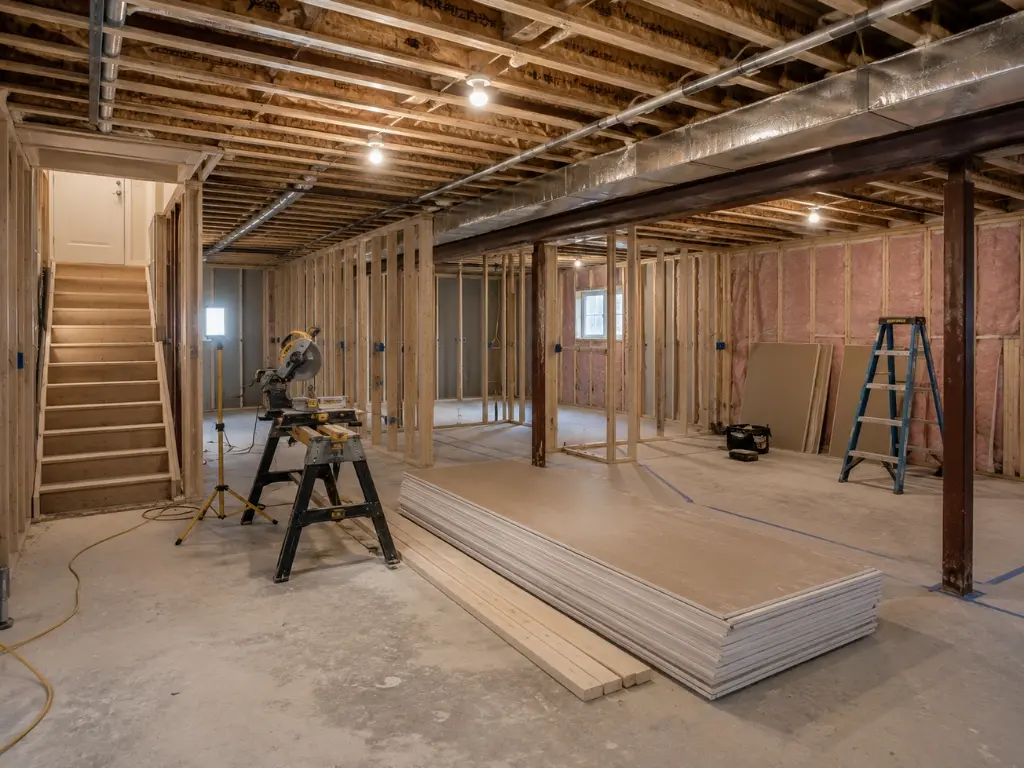
If your basement has low ceilings, you’re not alone. Many homeowners walk downstairs, look up, and immediately assume the space will never feel comfortable, let alone finished. That assumption stops a lot of basement remodeling projects before they even start.

But low ceilings don’t automatically mean wasted space. What they really mean is that your basement needs a different approach than a standard remodel. The goal is to design in a way that removes visual pressure, improves flow, and makes the space work for how you actually live.

What Counts as a Low Basement Ceiling?

Before planning your basement remodeling project, you need to know what qualifies as “low.”

Most finished basements are designed with 7 to 8 feet of ceiling height, which gives the space a comfortable, open feel. In many older homes, though, basement ceilings often sit closer to 6 to 6.5 feet, and that height can feel even lower once ductwork, beams, and plumbing are factored in. 

To add another layer of complexity, building codes typically require a minimum of 7 feet for habitable spaces, although exact requirements vary by location.

If your ceiling falls short, your remodel may focus more on visual strategies than structural changes.

Understanding the Real Challenge of Low Ceilings

Low ceilings affect how light moves, how sound travels, and how people feel when they enter the room. A basement that feels “off” often isn’t because of the height alone; it’s because multiple design choices stack against it.

Things like bulky soffits, heavy trim, dark finishes, and poor lighting all pull the ceiling down visually. When those elements combine, the space starts to feel compressed.

That’s why successful basement remodeling for low ceilings starts with subtraction. You remove visual noise before you add features. Once the ceiling plane feels clean and uninterrupted, everything else falls into place more easily.

This is exactly what our blog, What a Home Remodeling Company Can Really Do for Your Space, focuses on, helping homeowners understand how professional planning changes the outcome of a remodel. 

Why Ceiling Design Sets the Tone for Everything Else

In a low-ceiling basement, the ceiling becomes the most important design surface—even more than the floor.

Traditional drop ceilings are often installed for convenience, not comfort. They hide mechanicals, but they also steal inches and break the ceiling into a grid that constantly reminds you how low it is.

Many homeowners are surprised by how much better the space feels when that grid disappears.

Drywall ceilings, painted exposed joists, or modern low-profile ceiling systems keep the eye moving smoothly across the room. When there are fewer visual breaks overhead, the space feels calmer and less boxed in.

Once the ceiling is handled correctly, other decisions—lighting, layout, finishes—become much easier to get right.

Lighting That Works With the Ceiling, Not Against It

Lighting is one of the fastest ways to either fix or worsen a low-ceiling basement.

Hanging fixtures pull the ceiling down visually. Even when headroom isn’t an issue, they create visual clutter in a space that can’t afford it.

Recessed and flush-mounted lighting keeps the ceiling plane clean. But the real improvement comes from how light is layered throughout the room.

When wall lighting, accent lighting, and indirect light are used together, the ceiling stops being the focal point. Instead of feeling compressed from above, the room feels evenly balanced.

Good basement remodeling lighting doesn’t just illuminate the space. It changes how the ceiling height is perceived.

Color Choices That Quiet the Space

Dark colors don’t automatically ruin low ceilings, but they do need to be used carefully.

High contrast between walls and ceilings creates a hard visual stop. That line tells your brain exactly where the ceiling begins and that’s rarely helpful in a basement.

Using lighter, consistent tones allows the ceiling to fade into the background. When edges soften, the room feels taller without needing structural changes.

This doesn’t mean everything has to be white. Soft neutrals, warm grays, and subtle textures add depth without pulling the ceiling down. The goal is to keep the space calm, not flat.

Flooring That Preserves Headroom and Comfort

Flooring decisions in basement remodeling are often made for durability, but ceiling height should also be part of the conversation.

Thick flooring systems, raised subfloors, and heavy tile assemblies all eat into vertical space. In a basement with low ceilings, even an inch matters.

Thin-profile flooring options keep headroom intact while still offering comfort and durability. Luxury vinyl plank, engineered wood, and polished concrete are popular because they balance performance with minimal buildup.

When the floor stays low and simple, the entire room benefits.

Open Layouts Make Low Ceilings Feel Less Confined

Walls break up air, light, and sight lines. In a basement with limited height, too many walls can make the space feel smaller than it actually is.

Open layouts allow the ceiling to read as one continuous plane instead of a series of chopped-up sections. That continuity makes a big difference.

If privacy is needed, glass partitions, sliding doors, or partial walls provide separation without visual weight.

This approach works especially well for family rooms, home offices, and entertainment areas, which are spaces where connection matters more than enclosure.

Furniture Can Make or Break the Space

Even the best-designed basement can feel wrong if the furniture doesn’t match the scale of the room.

Oversized sofas, tall shelving units, and bulky entertainment centers crowd vertical space that already feels limited. The room may technically work, but it never feels comfortable.

Lower-profile furniture keeps sight lines open and makes the ceiling feel higher by comparison. It also improves circulation, which is often overlooked in basement remodeling.

When furniture fits the space properly, the room feels intentional instead of improvised.

When Floor Lowering Is Worth Considering

Lowering a basement floor can transform the space, but it’s not always the right move.

It tends to make sense when the basement will become a primary living area, legal bedroom, or long-term family space. In those cases, the investment can pay off in comfort and home value.

For bonus rooms, media spaces, or storage-focused remodels, design solutions usually offer a better return. The space becomes functional and inviting without major disruption to the home.

A thoughtful basement remodeling plan weighs long-term use against short-term cost—and chooses accordingly.

Moisture Planning Still Comes First

No matter how low the ceiling is, moisture control remains non-negotiable.

Basements are below grade, which means water management has to be addressed before finishes go in. Ignoring this step can undo even the best design decisions.

Sealing, drainage improvements, and proper insulation protect your investment and ensure the space stays comfortable year-round.

This step isn’t exciting, but it’s what makes the rest of the remodel possible.

What Is the Most Expensive Part of Finishing a Basement?

For most homeowners, the most expensive part of basement remodeling is the work you don’t always see. Framing, electrical, plumbing, HVAC extensions, and moisture control typically account for the largest portion of the budget. 

These systems create the foundation for everything else, and cutting corners here almost always causes problems later.

Low ceilings can add cost if mechanical systems need to be rerouted or if homeowners want to increase ceiling height by lowering the floor. Those structural changes are possible, but they significantly impact both cost and timeline.

That’s why many homeowners choose design-forward solutions instead. Smart planning often delivers better results without the expense of major structural work.

Bringing It All Together

Low ceilings don’t limit what your basement can become. They simply change how you approach the project.

When basement remodeling focuses on clean lines, smart lighting, thoughtful layouts, and materials that respect vertical space, the result feels intentional.

The most successful basements don’t fight their limitations. They work with them.

If you’re considering remodeling a low-ceiling basement, working with an experienced team makes all the difference. Elite Installations helps homeowners plan around ceiling limitations from the start, so your basement feels comfortable, functional, and worth the investment

Dont Hesitate To Contact Us

We’re here to answer any questions and help you get started!

Categories