

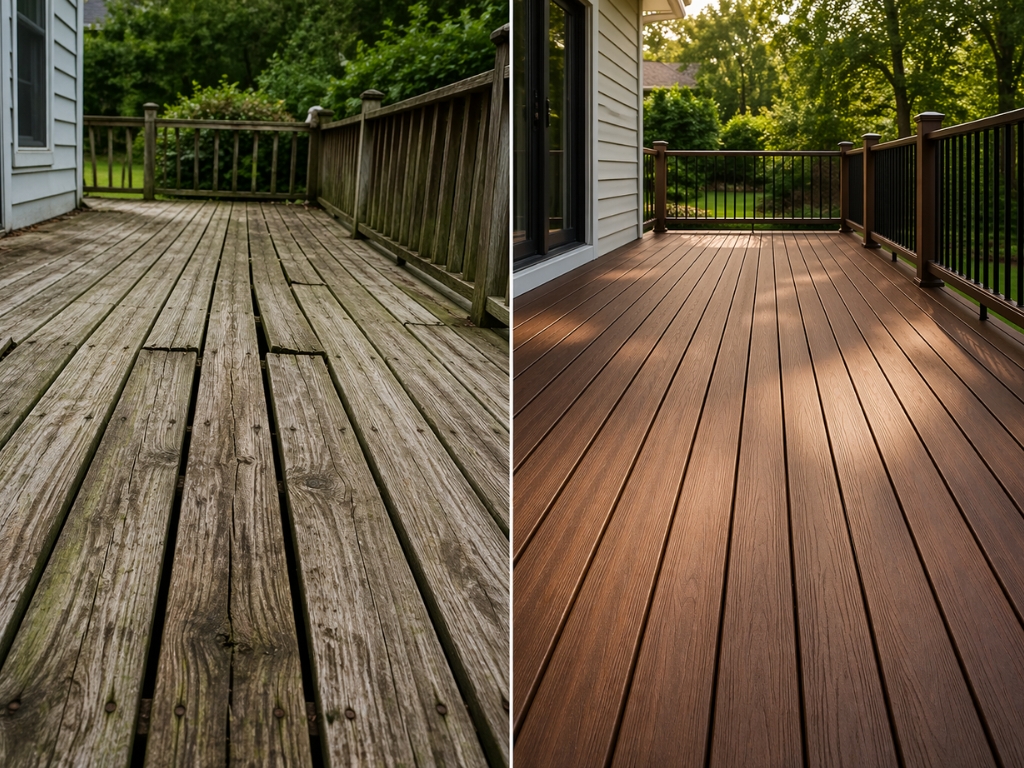
A deck can quickly become your favorite part of your home. It gives you space to relax, host people, or just step outside without leaving your property.
But here’s what most homeowners don’t realize until it’s too late: your deck is only as good as how it was installed. You can choose high-end materials and still end up with warped boards, soft spots, or structural issues within a few years. Why? Because the installation process was rushed or done incorrectly.
If you’re planning a deck installation or even replacing an old one, understanding what goes into doing it right will save you thousands in repairs later.
Why Deck Installation Fails More Often Than You Think
A deck lives in one of the harshest environments around your home. It deals with constant exposure to moisture, temperature swings, and direct sunlight. Over time, even small mistakes during installation get amplified.
You might not notice issues right away. Everything can look fine for the first year or two. Then slowly:
- Boards begin to cup or twist
- Fasteners start popping out
- Areas feel soft underfoot
- Mold or discoloration appears
At that point, you’re no longer maintaining your deck; you’re fixing it. Most of these problems don’t come from wear and tear alone. They start with how the deck was built from the very beginning.
What is the Correct Way to Install Decking?
There’s a clear difference between a deck that lasts 5 years and one that lasts 20. It comes down to the details most people never see.
1. Foundation and Footings
A strong deck begins with a stable foundation. Posts need to sit on properly poured footings, placed below the frost line so they don’t shift with seasonal changes.
If this step is rushed or skipped, the deck may look level at first, but it won’t stay that way. Over time, even slight movement in the base can lead to uneven surfaces and stress on the entire structure.
2. Framing and Joist Spacing
Once the foundation is set, framing becomes the backbone of your deck. This is where joist spacing matters more than most homeowners expect.
Too far apart, and the boards above will flex every time you walk on them. That movement leads to cracks, fastener failure, and premature wear. Proper spacing isn’t just about support, but also about longevity.
3. Material Selection
Not all decking materials perform the same in every setting. Pressure-treated wood is a common choice because it resists insects and decay. Composite decking, while more expensive upfront, handles moisture better and requires less maintenance over time.
What matters most is choosing materials that make sense for your climate and how you plan to use your deck. A material that works well in a dry climate may fail faster in a humid one.
4. Board Spacing and Drainage
Wood naturally expands and contracts. Composite materials do too, just differently. If boards are installed too tightly, they push against each other when they expand. That pressure leads to warping, cracking, or uneven surfaces.
On the other hand, proper spacing allows for:
- Airflow beneath the boards
- Water drainage
- Natural movement without damage
It may not seem like much during installation, but spacing plays a major role in how your deck ages.
5. Fasteners and Flashing
Fasteners hold your deck together, but they also take a beating from the weather. Using the wrong type, especially ones that aren’t corrosion-resistant, leads to rust, staining, and structural weakening.
Flashing is just as critical, especially where the deck connects to your home. Without it, water can seep into areas you’ll never notice until serious damage has already occurred.
This is one of those steps that doesn’t affect how your deck looks, but it directly affects how long it lasts.
6. Sealing and Surface Protection
Even after installation, your deck still needs protection. Sealing or staining wood helps reduce moisture absorption and UV damage. Without it, the surface breaks down faster, even if everything underneath was done correctly.
Where Most Deck Installations Go Wrong
It’s not always obvious when something is done incorrectly. Many mistakes look “good enough” at first. That’s what makes them expensive later.
One common issue is skipping permits or ignoring local building codes. This doesn’t just create legal problems; it often means key safety steps were missed during construction.
Another major problem is poor drainage planning. Water is the number one cause of deck damage. If it has nowhere to go, it will sit, seep, and slowly break down materials.
Rushing the job is another factor. When timelines are tight, details get overlooked. Boards aren’t spaced correctly. Fasteners are uneven. Framing isn’t perfectly aligned.
How to Prevent Warping and Rot
Warping and rot don’t happen overnight. They develop over time due to repeated exposure and poor conditions. The good news is they’re preventable if you approach installation and care the right way.
Start with material quality. Lower-grade wood or substandard fasteners might save money upfront, but they fail faster under stress.
Then focus on moisture control. Your deck should never trap water. That means designing for airflow, allowing drainage, and keeping the surface clean.
Maintenance also plays a role. Even a well-installed deck needs attention. Cleaning, sealing, and occasional inspections help catch small issues before they grow.
Should You Install a Deck Yourself?
Some homeowners consider taking the DIY route, especially with so many tutorials available. And in some cases, it can work.
But deck installation isn’t just about assembling boards. It involves structural planning, load calculations, and code compliance. Mistakes aren’t always obvious right away. A deck can feel solid for months before issues start to show.
Professional installation brings experience into the process. It ensures that what’s underneath the surface is just as reliable as what you see on top. If your goal is long-term durability, this is one area where expertise matters.
Signs Your Deck May Already Have Installation Issues
If you already have a deck, it’s worth taking a closer look.
Some early warning signs include:
- Boards that are twisting or separating
- Areas that feel uneven or unstable
- Water pooling after rain
- Fasteners lifting or rusting
- Visible soft spots or discoloration
These aren’t just cosmetic issues. They often point to deeper problems with how the deck was built. Addressing them early can prevent more extensive repairs later.
Why Homeowners Work With Elite Installations
At Elite Installations, the focus is on building decks that hold up under real conditions. That means paying attention to the parts most people never see, like framing, spacing, and moisture control. Every step is handled with long-term durability in mind, not just immediate results.
That same attention to detail carries through the company’s bathroom remodeling, basement remodeling, and kitchen remodeling services as well. Whether the project is outdoors or inside your home, the work is approached with careful planning, quality craftsmanship, and long-term performance in mind.